
The One Document Every Dallas-Fort Worth Homebuyer Must Sign Starting 2026
Buying or leasing a home in Texas means a stack of forms will land in front of you, and one of the first is the Buyer/Tenant Representation Agreement.
If you want a Realtor® to help you find or tour a property, signing this agreement is no longer optional.
Paperwork may not be the exciting part of finding a new home, but this document matters. It defines your relationship with your real estate agent and sets the ground rules for your home search. With the new Texas real estate law now in effect, understanding this agreement is more important than ever.
Here’s what you should know before you sign.
Key Takeaways
- A Buyer/Tenant Representation Agreement hires a real estate agent to represent you and only you in a real estate transaction.
- From 2026 onward, You must sign a Buyer/Tenant Representation Agreement before a Realtor® can show you any properties in Texas.
- Working with an ABR® Realtor® gives you a knowledgeable advocate focused on your needs as a buyer.
- The agreement is legally binding. Read thoroughly and consider legal advice before you sign.
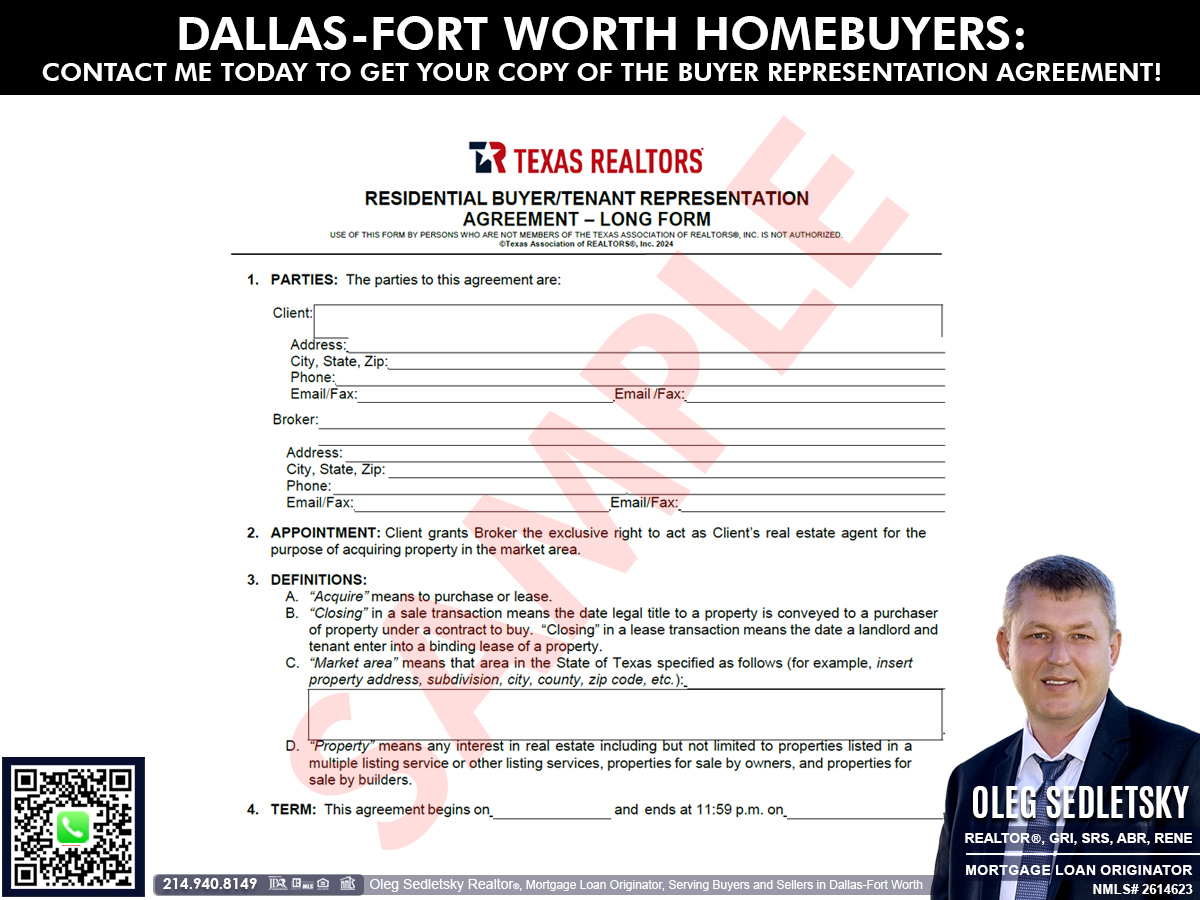
What is a Residential Buyer/Tenant Representation Agreement?
A Buyer/Tenant Representation Agreement is a legal contract that formalizes the working relationship between you (the client) and your real estate agent’s brokerage (the broker). Think of it as an employment contract. You are hiring a professional to represent your best interests during the home-buying or leasing process.
What does it do?
The Buyer/Tenant Representation Agreement clearly outlines the duties and responsibilities of both parties.
It creates an agency relationship, which legally obligates your agent to act in your best interest, maintain confidentiality, and provide guidance throughout the transaction. It’s designed to ensure transparency and commitment from the start.
Why is This Agreement Necessary?
The requirement to sign this agreement upfront ensures that all parties understand their roles and obligations. It protects you by guaranteeing your agent works exclusively for you, not the seller. It also protects the agent, ensuring they will be compensated for their time, expertise, and effort in helping you find a property.
Before this change, some buyers would view homes with an agent without a formal agreement, creating potential confusion about loyalty and compensation. The new rule, effective January 1, 2026, standardizes the process. It ensures that from the moment you start looking at homes with an agent, you have a dedicated advocate committed to your goals.
Who Will Benefit From It?
You benefit most from this agreement. Having a dedicated advocate ensures someone is looking out for your financial and personal interests. You get professional advice on market value, help with due diligence, and skilled negotiation.
The agent also benefits because they know you are committed to working with them. This allows them to invest their time, resources, and expertise into finding you the right home without worrying that you will use another agent after they have done the work.
Can You Not Sign It?
If you want a Realtor® to assist you, signing the Buyer/Tenant Representation Agreement is required. This step ensures a professional relationship and access to their services.
However, if you choose not to work with an agent, you are not obligated to sign the agreement.
Does TREC provide a buyer representation agreement?
No, TREC does not issue or regulate these agreements. They are private contracts between a buyer and a real estate broker.
Where can you get the Residential Buyer/Tenant Representation Agreement?
This document is typically provided by the real estate brokerage. Ask your Realtor® for a copy.
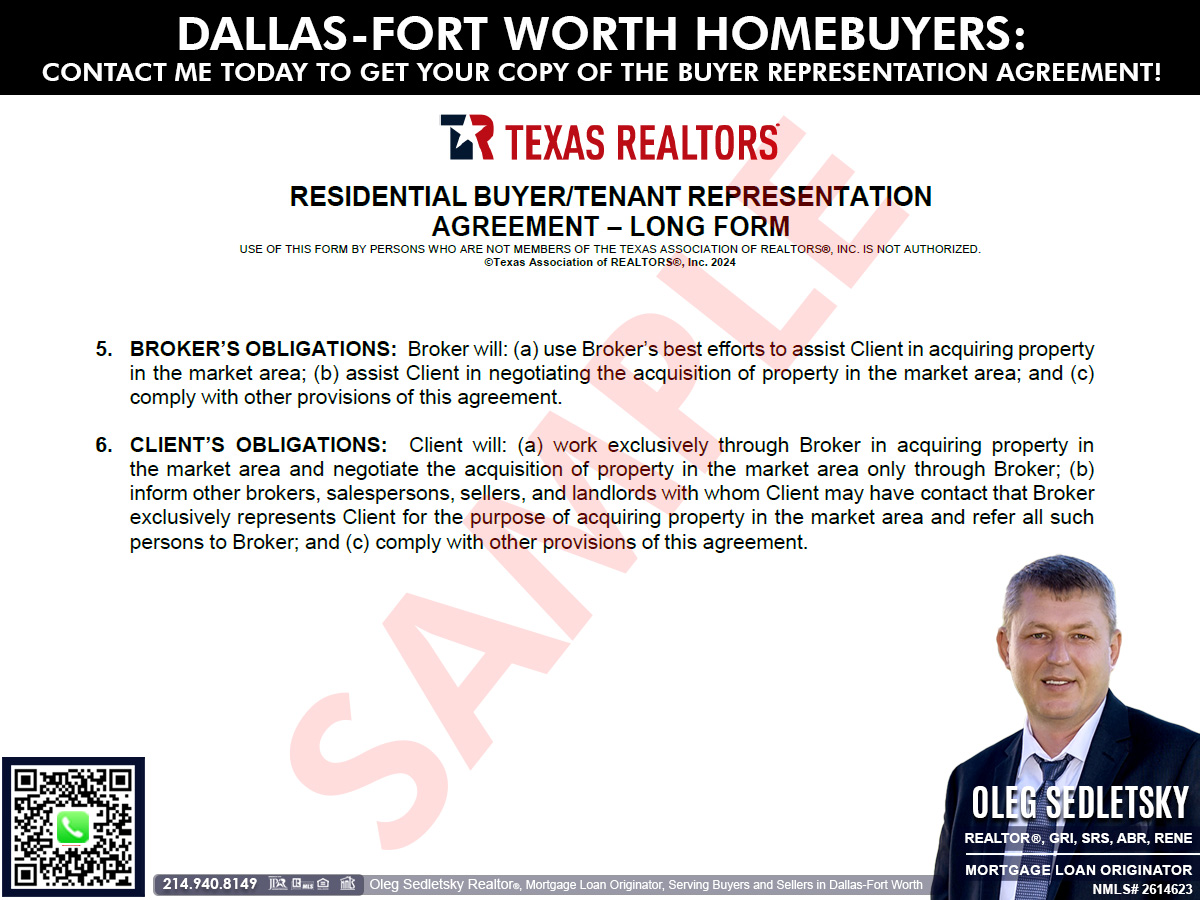
Key Sections of the Buyer Representation Agreement Explained
While the legal language can seem dense, the agreement covers several straightforward concepts. Here’s a simple breakdown of the most important sections you will encounter.
1. Appointment and Term
This section officially appoints the broker as your exclusive agent for a specific period. The “Term” defines the start and end dates of the agreement. This means that during this time, you agree to work solely with this agent and their brokerage to find a property in the defined “Market Area.”
2. Broker and Client Obligations
The agreement details what you can expect from your agent and what is expected of you.
- Broker’s Obligations: Your agent commits to using their best efforts to find you a suitable property, assist with negotiations, and handle the transaction professionally.
- Client’s Obligations: You agree to work exclusively through your chosen broker. This means you will direct any inquiries about properties to your agent and inform other agents or sellers that you are already represented.
3. Broker Compensation
This is one of the most critical sections. It details how your agent gets paid for their services.
- How Fees are Determined: Real estate commissions are negotiable and are not set by law. The fee is typically a percentage of the property’s sale price or a flat fee.
- Source of Payment: Your agent will first seek payment from the seller or landlord. In most Texas transactions, the seller pays the buyer’s agent’s commission. However, if the seller refuses or the amount offered is less than the agreed-upon fee, you are responsible for paying the difference. This is an important detail to discuss with your agent.
- Protection Period: This clause protects the agent’s commission for a set number of days after the agreement ends. If you buy a property that your agent showed you during the agreement’s term, you may still owe them the commission.
4. Intermediary Status
What happens if you fall in love with a home that is also listed by your agent’s brokerage? This is called an “intermediary” situation. The agreement outlines how this is handled. Your agent must remain neutral and follow specific rules to ensure both you and the seller are treated fairly. You can decide whether you are comfortable with this arrangement when you sign the agreement.
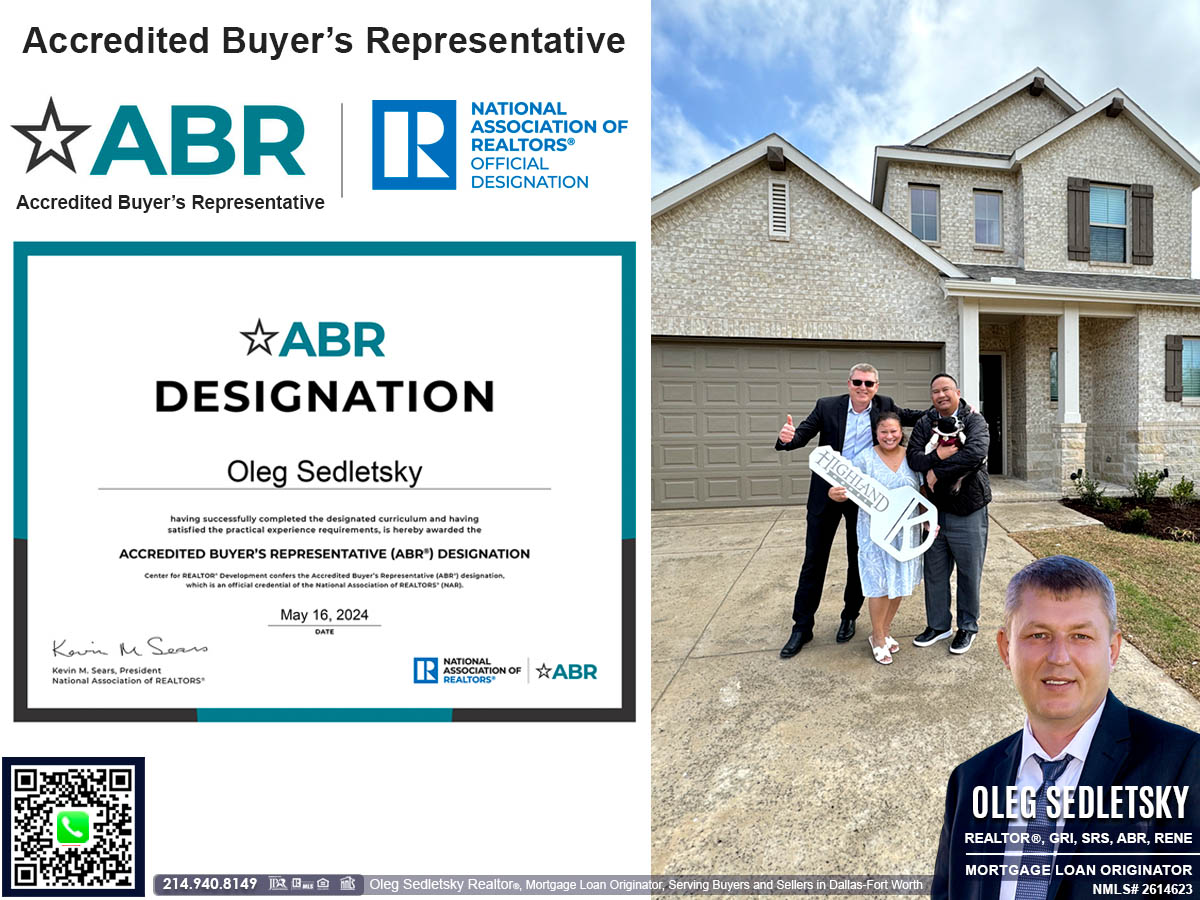
The Advantage of Hiring an ABR® Realtor®
When choosing a Realtor® to sign this agreement with, look for one with an Accredited Buyer’s Representative (ABR®) designation.
This isn’t just another set of letters after their name. It means they have completed specialized training focused on the needs of homebuyers.
An agent with an ABR® designation has completed specialized training, has a proven track record, and has a deeper understanding of their duties to you as a buyer.
These professionals are equipped to perform a thorough needs assessment, find the right properties, analyze property values, identify potential red flags, and strategically negotiate on your behalf. Since you are committing to a single agent, choosing one with this advanced credential is a smart move.
Think of it this way: when you need specialized medical care, you seek out a specialist. Similarly, when you are making one of the largest financial investments of your life, it makes sense to work with a specialist in buyer representation.
Read Before You Sign: Protect Yourself With Legal Advice.
The Buyer/Tenant Representation Agreement is not just paperwork. Once you sign, you’re locked into a legal contract with real consequences. Your real estate agent can walk you through the details and answer your questions about the process, but only a lawyer can give you legal advice.
Don’t rush through this step. Go over every section and make sure you understand what you’re agreeing to. If anything is unclear or you want a second opinion, contact a real estate attorney to check the agreement before you put your name on it. This simple step can keep you out of trouble and give you peace of mind before moving forward.
How to Navigate the Process
The Buyer/Tenant Representation Agreement is a tool for your protection. It ensures you have a qualified professional looking out for you.
Here are a few practical tips:
- Interview Agents: Don’t feel pressured to sign with the first agent you meet. Interview a few candidates. Ask about their experience, their communication style, and specifically if they hold the ABR® designation.
- Read the Agreement: Take the time to read the entire document. Ask your agent to walk you through each section and clarify anything you don’t understand. Pay close attention to the term length and any termination clauses.
- Negotiate the Terms: Remember that the terms of the agreement are negotiable. If you feel a six-month term is too long, you can propose a shorter period. A good agent will be willing to find terms that work for both of you.
By understanding the Texas Buyer/Tenant Representation Agreement and the value of working with an ABR® designee, you can confidently take the next step in your home-buying journey. This agreement isn’t just another piece of paper; it’s the foundation of a successful partnership that empowers you to find the perfect home with an expert by your side.
What’s the Next Step?
Understanding the Buyer/Tenant Representation Agreement is an important step in the home buying process. Now that you have a clearer picture of what this agreement means for you, the next move is to secure expert guidance tailored to your specific situation. Navigating the real estate market involves more than just finding the right property; it also requires a solid financial strategy. This is where having a professional with dual expertise can make a significant difference.
Choose an Experienced Professional Who Knows Both Sides
A professional with both a Realtor® ABR designation and a mortgage loan originator license brings a well-rounded perspective. The Accredited Buyer’s Representative (ABR) designation shows a strong commitment to supporting buyers’ interests. When paired with extensive mortgage knowledge, it provides a unique advantage, giving you practical advice on affordability, structuring offers, and navigating the mortgage process—all from one trusted resource.


Let’s Discuss Your Real Estate and Mortgage Needs
Are you ready to take the next step toward homeownership with confidence?
I’m Oleg Sedletsky, a Realtor® with the ABR designation and a licensed mortgage loan originator.
My job is to keep things simple and stress-free, whether you’re ready to jump in or just want some straight talk about your next move.
Reach out for an easy, no-pressure chat. Tell me what you’re aiming for, and I’ll help you put a plan together to get there.








Hey Home Buyers! Are you excited to experience the joy of homeownership in the vibrant Dallas-Fort Worth area?
Buying a home in the Dallas-Fort Worth area should feel exciting, not overwhelming. Whether you’re eyeing a charming pre-owned house or a fresh new build, I’m here to make the home buying process simple and straightforward.
I’ll be here to answer your questions, handle the details, and make sure everything falls into place. My goal is to help you buy a home that checks all the boxes for you.
Let’s get started. Fill out my quick Homebuyers contact form and I’ll take it from there.
The Buyer’s Agent Duty
READ: Texas Real Estate Commission Information About Brokerage Services
AS AGENT FOR BUYER/TENANT: The broker becomes the buyer/tenant’s agent by agreeing to represent the buyer, usually through a
written representation agreement. A buyer’s agent must perform the broker’s minimum duties above and must inform the buyer of any
material information about the property or transaction known by the agent, including information disclosed to the agent by the seller or
seller’s agent.
A BROKER’S MINIMUM DUTIES REQUIRED BY LAW (A client is the person or party that the broker represents):
– Put the interests of the client above all others, including the broker’s own interests;
– Inform the client of any material information about the property or transaction received by the broker;
– Answer the client’s questions and present any offer to or counter–offer from the client; and
– Treat all parties to a real estate transaction honestly and fairly.
TO AVOID DISPUTES, ALL AGREEMENTS BETWEEN YOU AND A BROKER SHOULD BE IN WRITING AND CLEARLY ESTABLISH:
– The broker’s duties and responsibilities to you, and your obligations under the representation agreement.
– Who will pay the broker for services provided to you, when payment will be made and how the payment will be calculated.
TYPES OF REAL ESTATE LICENSE HOLDERS:
– A BROKER is responsible for all brokerage activities, including acts performed by sales agents sponsored by the broker.
– A SALES AGENT must be sponsored by a broker and works with clients on behalf of the broker.
Latest from Dallas Real Estate Blog
– Texas Homebuyers Tips, Tricks and Lifehacks
– New Construction Homes in Dallas TX
– Mortgages for Homebuyers and Investors in Dallas-Fort Worth